Do you need an app, or is a responsive website enough?
Many businesses start with a fast responsive website because it is quicker, cheaper and shows up in Google, then add an app once the need is proven. An app makes sense if customers use the service repeatedly (orders, bookings, loyalty, delivery), or you need push notifications, camera, location or offline use.
A practical rule: if your goal is to appear in search and win new customers, build the website first. If your goal is continuous interaction with existing customers, an app is a strong option.
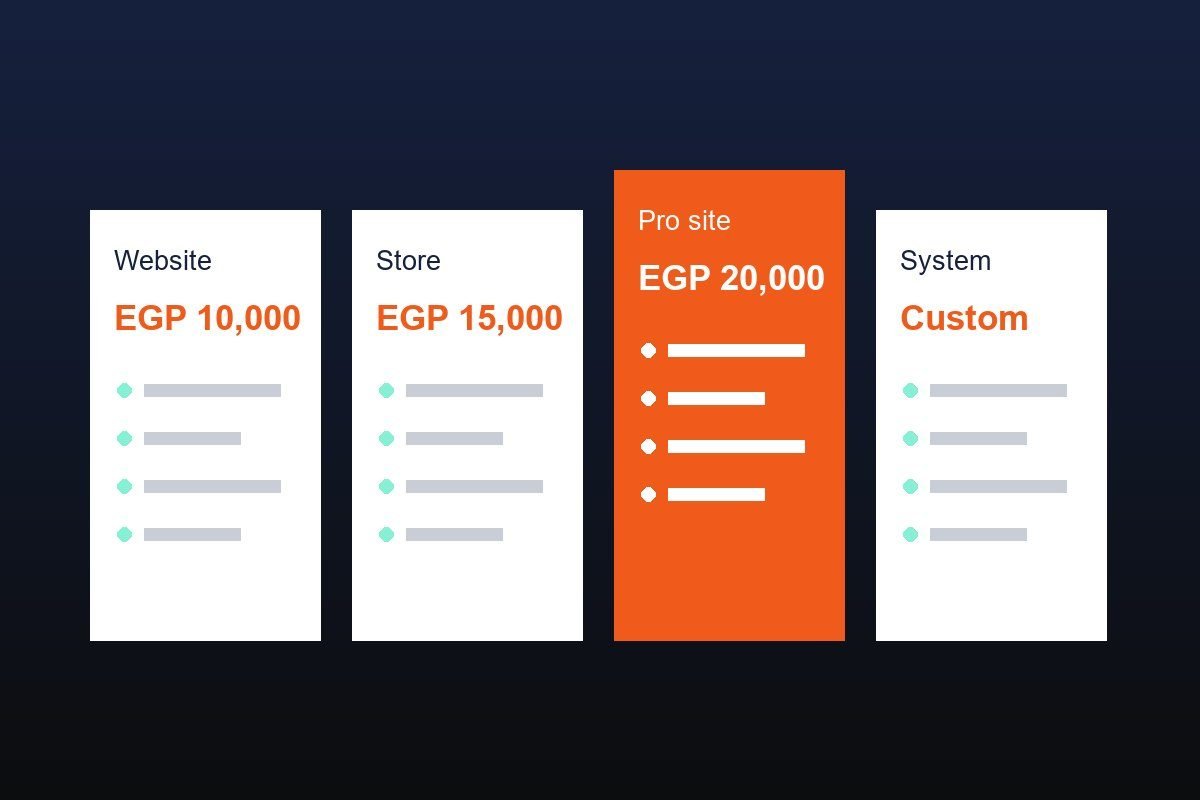
Mobile app development cost (estimates)
| Service / package | Typical price | Notes |
|---|
| Simple | $2,000–10,000 | Informational or simple booking app |
| Medium | $8,000–30,000 | Orders, payments, accounts and dashboard |
| Complex | $25,000+ | Multi-user platforms, tracking and integrations |
Figures are rough market estimates, not a quote. Final pricing depends on scope and features, not on your country, and we send a written quote after understanding your needs. Starting with an MVP and expanding based on usage is usually the smartest path.
Frequently asked questions
How long does it take to build a mobile app?
A simple version takes about six to ten weeks, a medium app three to five months and a complex app six months or more.
Should I start with a simplified version?
Yes. Start with the core features (an MVP), test the market and then add features based on customer usage.
Will the app appear in Google?
The app appears in app stores. It helps to have a website that introduces it to draw search traffic.
Do I need an admin dashboard?
Usually yes, to manage content, orders and users and send notifications.
What is the yearly maintenance cost?
Often estimated as a percentage of the development cost per year to cover hosting and updates, and it varies by app.





















 October 23, 2026 - BY Admin
