What a software company actually delivers
A custom software project isn't just "code." A properly scoped engagement includes discovery and requirements mapping, UX/UI design, backend and frontend development, QA and security testing, deployment, documentation, and a maintenance agreement — each with its own line item, whether the agency shows you that breakdown or bundles it into one number.
Core services, broken down
1 Websites & Platforms
Corporate sites, client portals, booking platforms, membership areas and multi-language builds on a fast, SEO-ready architecture.
2 Mobile Apps
Native or cross-platform apps with push notifications, payments, maps, chat and analytics — the right choice depends on performance needs, budget and product roadmap.
3 Custom Business Systems
CRM, ERP, inventory, resource and approval-workflow systems built around how your team actually works — not forced into a generic template.
4 E-Commerce
Scalable stores with product and inventory management, coupons, shipping, payments, returns, analytics, and connections to your accounting and operations tools.
5 Integration & Automation
API connections between your website, app, ERP, CRM, payments, shipping and accounting to cut manual data entry and human error.
6 Maintenance & Growth
Uptime and error monitoring, dependency updates, backups, security patches, performance tuning, and an SLA for critical incidents.
Real 2026 cost benchmarks
Published 2026 industry data gives a consistent picture: the average custom software project costs roughly $132,480 and takes about 13 months (Clutch), while GoodFirms puts most small-to-mid projects between $30,000 and $200,000, with about two-thirds landing in the $30,000–$100,000 band. Enterprise-grade platforms commonly run $400,000+. On the labor side, US-based senior developers bill $125–$250+/hour, Central and Northern European teams bill $50–$95/hour, and nearshore/offshore teams are typically 30–50% cheaper than domestic hires for comparable output.
| Project type | Typical range | Timeline |
|---|
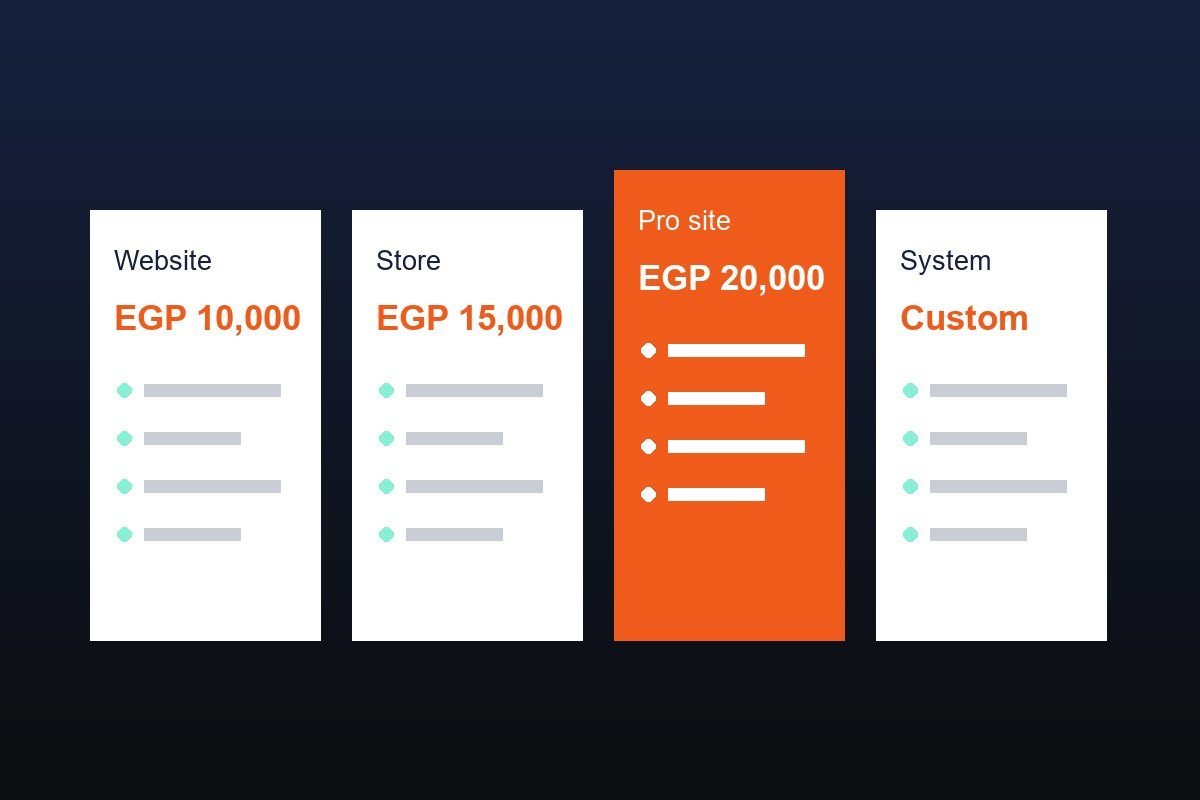
| Corporate website / small platform | $2,500 – $15,000 | 2–6 weeks |
| E-commerce store | $6,000 – $40,000 | 4–10 weeks |
| Custom business system (CRM/ERP/clinic management) | $20,000 – $120,000 | 2–5 months |
| Enterprise-grade platform | $150,000 – $500,000+ | 6–13+ months |
Ranges reflect published 2026 industry benchmarks (Clutch, GoodFirms) and InGoal's own delivered-project data; actual pricing depends on scope, integrations and team location. Don't forget ongoing costs: hosting/infrastructure ($500–$10,000/month depending on scale) and maintenance, typically 15–20% of the initial build cost per year — budget 30–40% above the development estimate for a realistic total cost of ownership.
What actually drives the price
Feature count and integration complexity move the number more than any other factor — a simple tool needs fewer engineering hours than a system with multiple modules, third-party integrations and custom workflows. Beyond scope, three things separate a $30,000 project from a $130,000 one for similar-looking requirements: how much re-work happens because requirements weren't locked before development started, whether the team is billing hourly with no cap or working to a fixed-scope agreement, and whether the agency's hourly rate reflects US/Western-Europe overhead or a leaner, quality-equivalent nearshore setup.
The nearshore alternative most guides don't mention
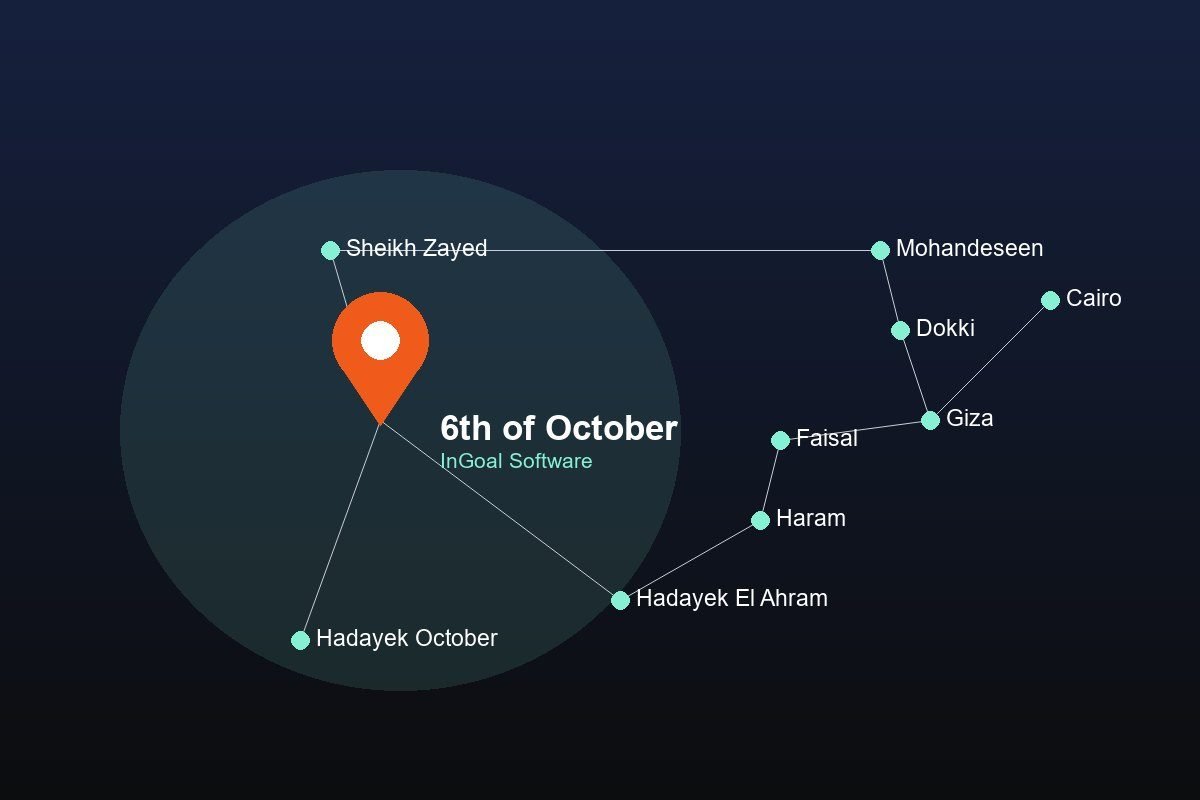
Every guide above quotes US and Western-European rates ($50–$250+/hour) because that's where most of these agencies are based. What they don't spell out: a nearshore or offshore team building to the same process, the same QA standards and the same contract protections can deliver the identical scope for 40–60% less — not by cutting corners, but by not paying San Francisco or Berlin office overhead. InGoal Software is based in Cairo, Egypt and builds for clients across Europe (including Austria and Germany) and the Gulf, on English-language contracts with the same code-ownership and maintenance terms outlined below. That's the entire reason our published packages start at $2,500 for a corporate website and $20,000 for a full custom business system, not $15,000 and $150,000+.
How a well-run project actually goes
- Discovery (3–7 days): requirements, user flows, and a written scope document you sign off on before any code is written.
- Design: wireframes then UI, reviewed with you at each stage — not delivered as one final surprise.
- Development: built in short sprints with visible progress, not a single black-box delivery at the end.
- QA & security testing: functional, performance and security testing before anything ships.
- Launch: staged deployment with a rollback plan, not a risky Friday-afternoon go-live.
- Support: a defined SLA for bug fixes and response time — agreed in writing, not assumed.
What your contract must cover — the gap almost every provider page skips
Three clauses determine whether you actually own what you paid for: (1) code and IP ownership transfers to you on final payment, in writing — not "licensed" indefinitely to the agency; (2) source code handover includes full repository access and documentation, not just a live URL you can't export from; (3) exit terms spell out what happens if you switch providers — can another team pick up the codebase without a rebuild? If a contract is silent on any of these three, ask before signing.
7 mistakes that inflate the bill
- Starting development before requirements are signed off
- Choosing hourly billing with no cap on an open-ended scope
- Skipping a written maintenance plan, then paying emergency rates later
- Not clarifying code ownership until after the contract is signed
- Underestimating third-party integration costs (payment gateways, shipping APIs, accounting software)
- Choosing the cheapest hourly rate without checking delivered-project references
- Treating "MVP" and "finished product" as the same budget line
What most guides on this topic leave out
The search results for "custom software development cost" are consistent on the headline number but thin on three things that actually change your decision: an honest breakdown of nearshore vs. domestic pricing for equivalent quality, plain language on who owns the code when the project ends, and a maintenance-cost table instead of a vague "budget extra." This guide includes all three because those are exactly the questions our own clients ask before signing.
How InGoal Software runs projects like this
Two real examples from our own delivered work:
Diar El Ezz — full real estate platform
A complete property management platform with an added broker-publishing feature that opened a new revenue channel for the client — delivered on the agreed schedule.
Read the case study →
Elagi (Harmony) — clinic management system
Built for Egypt's largest physiotherapy and rehabilitation center; the origin of our InGoal Physio clinic-management product, now connecting appointment booking through to financial follow-up.
Read the case study →
Frequently asked questions
How much does custom software development cost in 2026?
Most small-to-mid projects fall between $25,000 and $150,000; enterprise platforms often exceed $400,000. Nearshore teams can deliver equivalent scope for 40–60% less than US/Western-Europe domestic rates.
Who owns the code after the project is finished?
You should — in writing, transferring on final payment, with full repository access. If a contract doesn't say this explicitly, ask before signing.
Is a nearshore or offshore development team lower quality?
Not inherently — quality comes from process (written scope, staged QA, documented handover), not location. A well-run nearshore team following the same process delivers the same result at a lower rate because of lower overhead, not lower standards.
How long does a typical custom software project take?
A corporate website: 2–6 weeks. An e-commerce store: 4–10 weeks. A custom business system (CRM/ERP/clinic management): 2–5 months. Enterprise platforms: 6–13+ months.
What ongoing costs should I budget for after launch?
Hosting/infrastructure ($500–$10,000/month depending on scale) plus maintenance, typically 15–20% of the initial build cost per year. Budget 30–40% above the development estimate for a realistic total cost of ownership.
Sources referenced in this guide














 September 23, 2026 - BY Admin
